Complete Kilimanjaro Packing Checklist
Use this checklist to track your own gear. Requirements vary by route and package. Keep important medication and documents with you rather than only in the porter duffel.
Keep the duffel dry using internal waterproof bags. Do not arrive with brand-new boots; wear them beforehand so you know how they feel.
Kilimanjaro Footwear
Your boots should be comfortable, suitable for the terrain and properly broken in before the climb. Bring sturdy hiking boots, trekking socks, several spare pairs of socks and comfortable camp footwear. Do not arrive in Tanzania with brand-new boots and expect the first day on the mountain to break them in; wear them during training before the trip.
Kilimanjaro Summit-Night Packing List
Summit night is one of the coldest parts of the climb. Keep these items accessible rather than buried deep inside your luggage.
- Warm insulated jacket, thermal base layers and a fleece or mid-layer
- Warm gloves or mittens, warm hat, neck protection and warm socks
- Suitable hiking boots, headlamp and spare batteries or backup power
- Sunglasses, sunscreen and trekking poles
- Water bottles and waterproof protection
Sleeping Gear
- Sleeping bag appropriate to expected conditions
- Sleeping bag liner if desired
- Sleeping clothes
- Small travel pillow if desired
Check your selected NOJO package to understand which sleeping equipment is provided and which items you need to bring or rent.
Hydration
- Reusable water bottles
- Hydration reservoir if preferred
- Insulation or protection for cold conditions
Your hydration system needs to work in cold conditions. Freezing temperatures on the upper mountain can affect exposed water systems, so discuss your setup with your operator.
Sun Protection
- Sunscreen
- Sunglasses
- Sun hat
- Lip balm with sun protection
- Long-sleeve clothing
Do not underestimate the sun because the air feels cold.
Toiletries
- Toothbrush and toothpaste
- Appropriate soap and wet wipes
- Toilet paper and hand sanitizer
- Deodorant and personal hygiene products
- Small towel
- Moisturizer and lip balm if desired
Electronics
- Phone and camera
- Camera batteries and power bank
- Charging cables and travel adapter
- Waterproof storage
Protect electronics from rain, condensation and accidental drops.
Snacks
- Energy bars
- Trail mix or dried fruit
- Small sweets
- Electrolyte products if personally preferred
Ask NOJO what meals and snacks are already provided before buying large amounts of food to carry.
What Equipment Does NOJO Provide?
The exact equipment provided depends on your route and package. Camping routes may use tents and other camping equipment, while Marangu uses mountain huts. Ask NOJO to confirm the exact equipment included with your selected itinerary.
Check with NOJO before departure:
Do not assume an item is included unless your selected package confirms it.
Can I Rent Kilimanjaro Equipment?
Selected mountain equipment may be available to rent in Moshi through NOJO. Ask about sleeping bags, trekking poles, warm jackets and other selected equipment. Availability, size and pricing should be confirmed in advance. Ask NOJO about gear rental.
Common Kilimanjaro Packing Mistakes
Too many clothes
Choose practical layers instead of several bulky outfits.
No rain protection
Carry a waterproof shell even during a generally dry period.
Untested boots
Break in your boots on training walks before travelling.
Underestimating summit cold
Keep warm summit layers easy to reach.
Forgetting sun protection
Bring sunscreen, sunglasses and a sun hat.
Unprotected electronics
Use waterproof storage for phones, cameras and batteries.
Medication in porter luggage
Keep essential personal medication in your daypack.
Unnecessary heavy items
Carry only what you need and confirm luggage policies with NOJO.
Packing for Moshi
Prepare for the changing environments and cold upper mountain.
What Should Be in My Daypack Every Day?
Personal Health and First Aid
Carry personal prescription medication, blister care, personal hygiene supplies, basic first-aid items and hand sanitizer. Keep essential medication in your personal daypack rather than placing it exclusively in porter-carried luggage.
For medical conditions, altitude medication or concerns about whether you are fit to travel at high altitude, speak with a qualified healthcare professional before your trip. This guide is general travel information, not individualized medical advice.
Explore Kilimanjaro Routes

Machame Route
An established southern approach with varied mountain scenery and several days of trekking.
6 or 7 days on NOJO’s listed itineraries
View Route
Marangu Route
A classic route using mountain huts rather than camping tents.
5, 6 or 7 days on NOJO’s listed itineraries
View Route
Lemosho Route
A longer western approach with varied landscapes and extended trekking itineraries.
7 or 8 days on NOJO’s listed itineraries
View Route
Rongai Route
A northern approach to Mount Kilimanjaro.
6 or 7 days on NOJO’s listed itineraries
View Route
Umbwe Route
A steep route with a demanding trekking profile.
6 or 7 days on NOJO’s listed itineraries
View Route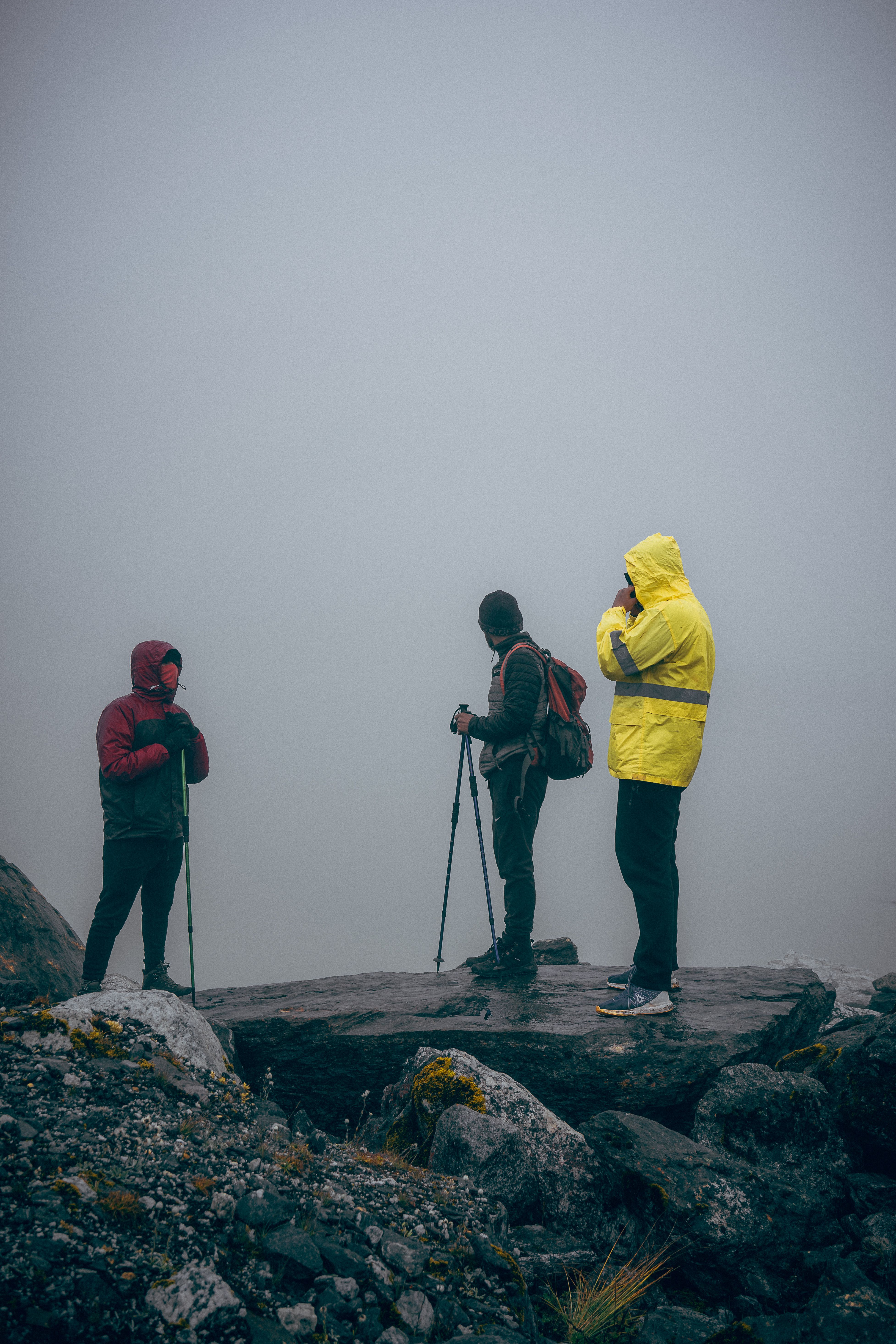
Northern Circuit
A longer itinerary around the northern side of the mountain.
7 or 8 days on NOJO’s listed itineraries
View RoutePlanning Guide
Last updated:
Travel information such as park fees, regulations, route operations and entry requirements can change. Confirm current details with NOJO before travel.